

How two mothers found more than housing at Christina's House, and why the women who once needed its doors opened are now helping others walk through them.
By Mychal Connolly Sr.
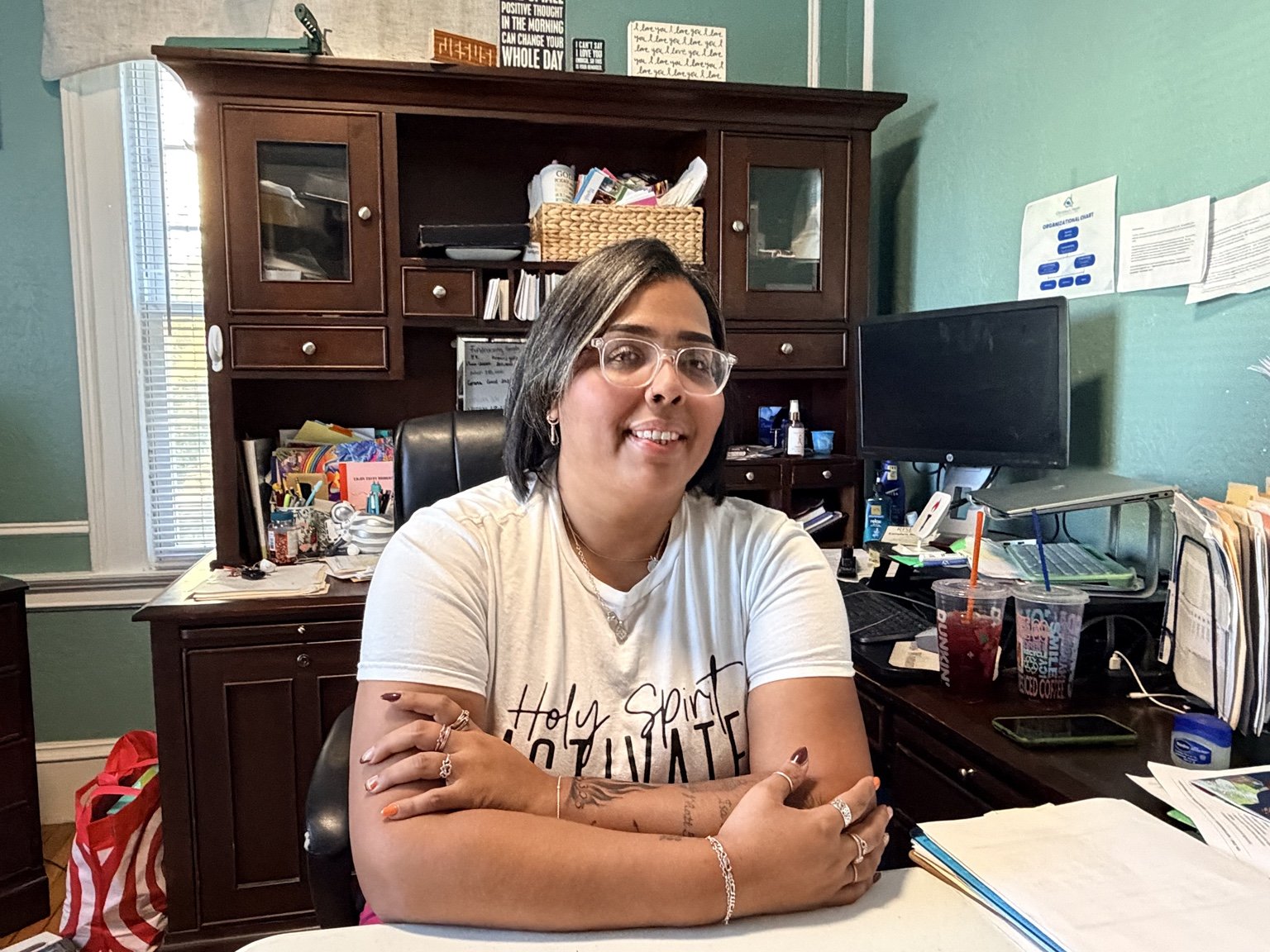
On December 29, 2019, Carolyn Martinez was facing the possibility of becoming homeless.
She had a job. She was raising her daughters. She considered herself independent and hardworking. Yet none of that was enough to persuade a landlord that she earned enough to rent an apartment.
The problem wasn't that Carolyn had no income. It was that her income wasn't enough.
For a mother trying to keep her family together, the distinction hardly mattered.
What made her situation especially difficult was that Carolyn already knew a place that helped women facing homelessness. She had spent two years volunteering there.
Now she needed its help herself.
In November 2019, before the December deadline arrived, Carolyn entered Christina's House in Springfield with her daughter.
She had no way of knowing that the organization where she had once cooked meals for other mothers would eventually become the place she led.
Or that some of the most important things she would learn there had nothing to do with finding an apartment.
One of them was how to hug her daughters.
The Woman Who Came to Help
Carolyn's relationship with Christina's House began in 2017, when she was running a women's empowerment group while attending church.
She wanted to give back.
That August, she organized an ice cream social for the women at Christina's House. She met Shannon Mumblo, who was then the organization's executive director, and began bringing her empowerment group to encourage the residents.
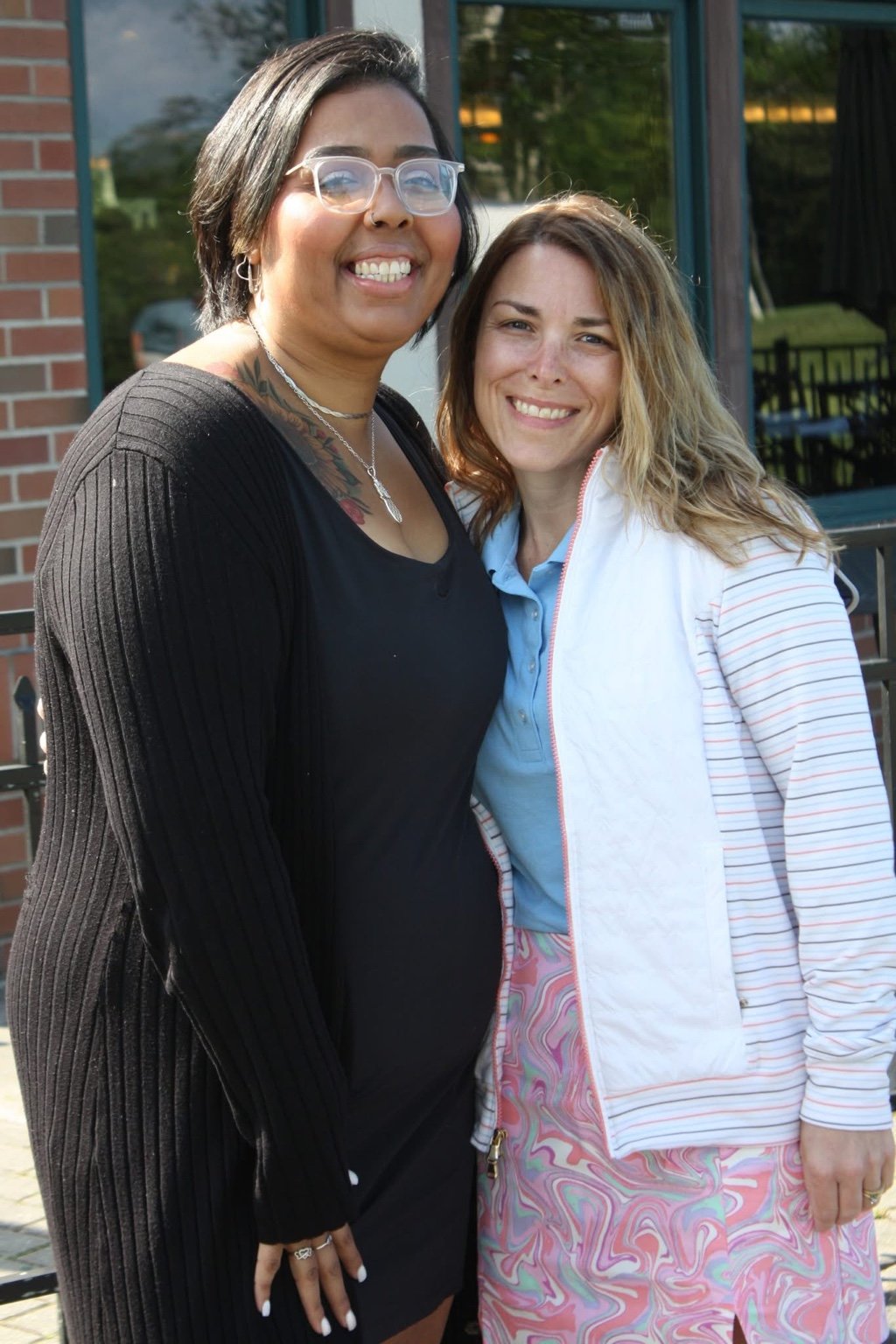
Carolyn loved cooking, so she started preparing meals for the women on Wednesdays.
It was the kind of volunteer work that can become part of a person's routine. You arrive, contribute what you can, get to know people, and go home.
For Carolyn, that changed in 2019.
"My whole world shook," she recalled during our interview.
She had established income, but landlords still determined that she didn't earn enough to qualify for housing.
The same woman who had come to encourage others now had to confront the possibility that she and her children might not have a home.
She knew what Christina's House offered. She also knew the people who worked there.
But knowing how to help someone else and knowing how to accept help yourself are two different things.
Carolyn entered the program.
And what she discovered challenged more than her finances.
Learning to Love Her Daughters Differently
Carolyn had raised her daughters largely on her own. She loved them, worked for them, and wanted the best for them.
But at Christina's House, she began recognizing how her own experiences had shaped the way she parented.
"I was harming my daughters more than I was building them up," she acknowledged.
She explained that unresolved trauma can follow parents into their relationships with their children. Without realizing it, she had been raising her daughters through the lens of experiences she had never fully worked through.
The program introduced her to the idea that people receive and express love differently.
One daughter valued physical affection. Another responded to gifts.
Carolyn realized that the ways her daughters needed to experience love weren't necessarily the ways she was comfortable giving it.
"I did not like physical touch," she said. "I did not hug my daughters. I’d hug them for like a second and then just back up."
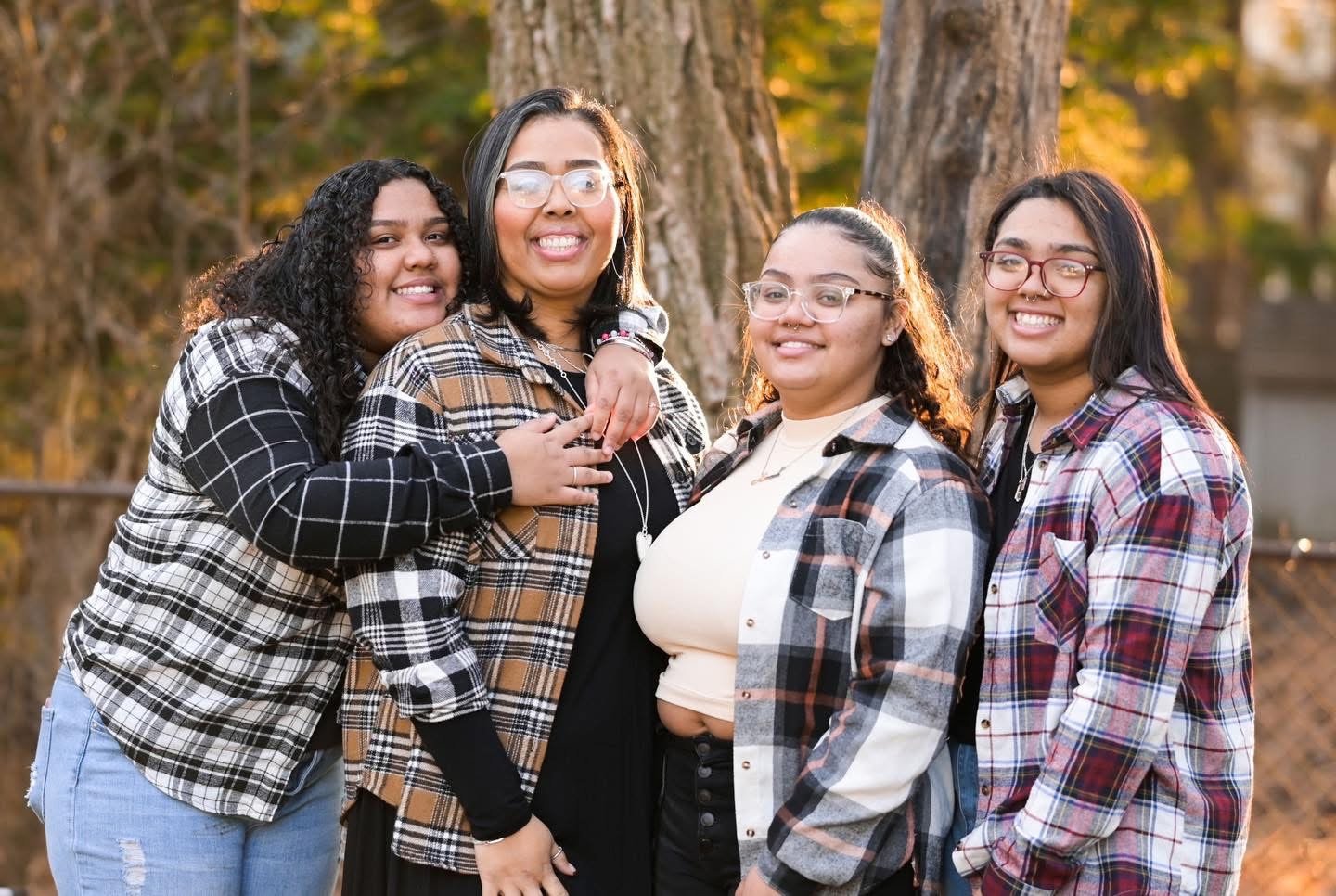
For many parents, hugging a child is so ordinary that it barely registers as a conscious decision.
For Carolyn, it required her to confront something uncomfortable about herself.
She could love her daughters deeply and still struggle to give them the affection they needed.
The staff challenged her to consider her daughters' needs rather than relying solely on what felt natural to her.
"They taught me how to love my daughters according to their love language, according to what filled their cups and not only what filled mine's up," she explained.
There was no dramatic ceremony to mark that lesson. No graduation certificate for learning to hold your child a little longer.
But its significance extended far beyond the classroom.
Carolyn wasn't simply learning parenting techniques. She was learning to separate the experiences that had shaped her from the experiences she wanted to give her children.
And she was discovering that being a good mother didn't require pretending she had nothing left to learn.
Years later, when asked what success looked like to her, Carolyn didn't begin with her title or accomplishments.
She spoke about sleeping at night without worrying about whether she could feed her daughters or pay a bill.
And about "learning how to love my daughters authentically, like who they are versus of who I want them to be."
It was a different definition of stability.
One that included both a safe home and the relationships inside it.
What Happens After a Family Has a Roof?
Christina's House serves women and children experiencing homelessness or facing the possibility of losing their housing in Springfield and surrounding communities.
But Carolyn is careful about how the organization is described.
"A lot of people just think about Christina's House, they just think about women's shelter, and we're not even a shelter," she explained.
The organization provides transitional housing, but its work extends beyond a place to sleep.
Today, residents can spend 12 months in a structured program focused on preparing them for independent living.
Every six weeks, women move through educational courses covering essential life skills, anger management, conflict resolution, financial literacy, parenting, and boundaries.
Some arrive without having been taught how to manage a household. Others struggle with credit, debt, relationships, or the emotional effects of difficult experiences.
Residents meet monthly with a financial coach. They learn to create budgets, manage spending, reduce debt, and build savings.
Christina's House also works with Country Bank to establish savings accounts for participating women.
The goal is for a mother to leave with more than a new address. She should have savings, practical skills, and a better understanding of how to maintain the life she is building.
The work can sound ordinary when described as a curriculum.
But consider what it means to a woman who has never learned how credit works, who struggles to say no to people she loves, or who has never experienced a healthy way to resolve conflict.
Those aren't minor gaps in knowledge.
They can determine whether a woman keeps an apartment, remains employed, protects her income, or creates a stable home for her children.
Carolyn knows because she had gaps of her own.
She recalled reaching her thirties without understanding important aspects of personal finance. She knew credit mattered, but not how deeply it could affect her options.
She eventually rebuilt her finances and purchased a home.
The woman who once couldn't qualify for an apartment had become a homeowner.
But her story didn't end there.
The Woman Shannon Saw

Carolyn has spoken about Shannon Mumblo's role in her journey.
Shannon recognized leadership potential in her before Carolyn fully recognized it in herself.
"She saw a version of me that I didn't see," Carolyn recalled.
That belief mattered.
In March 2022, Carolyn returned to Christina's House as its program manager. Later that year, she was promoted to assistant executive director.
Today, she is the organization's executive director.
Her professional experience now includes something that cannot be learned from a management textbook.
She knows what it feels like to be the mother asking for a room.
She knows what it feels like to have income and still be unable to secure housing.
She knows what it feels like to enter a program believing the immediate problem is financial, only to discover that rebuilding a life may require examining parts of yourself you have spent years avoiding.
And she knows how much it can matter when someone sees possibilities in you that you haven't yet learned to see.
That understanding shapes the way she leads.
But perhaps the clearest example of Christina's House's impact isn't Carolyn's promotion.
It's another mother named Tanya.
A Boy Sleeping in Carolyn's Office
Tanya was getting ready to leave Christina's House when we met her during a tour of the property.
Her room was arranged much like a small studio apartment, with a bed, television, bathroom, and space for her belongings.
She was preparing to move into a place of her own.
But before that transition, Tanya had taken on another responsibility at Christina's House.
She was the house mom.
After staff members leave for the day, Tanya helps maintain the home, supports evening routines, and works through disagreements among residents.
She understood why those disagreements happened.
"People come from different brokenness," she explained.
Women arrive at different stages of their journeys. Mothers and children are adjusting to shared living arrangements while trying to move beyond circumstances that may have kept them in survival mode for years.
Tanya helps them navigate those tensions.
Her approach comes from experience.
Before Christina's House, she had experienced homelessness and addiction. She had also lost custody of her son.
She had attended another residential program focused heavily on addiction treatment, but she said Christina's House offered something she still needed: an opportunity to understand her emotions, her relationships, and herself.
"I didn't love myself," she said.
She spoke about being abandoned by her parents when she was young and growing up without being taught how to establish healthy boundaries.
She hadn't understood why she sought affection in harmful relationships or why she felt compelled to put other people's needs ahead of her own.
One example was painfully practical.
Tanya described being the kind of person who might use money intended for her electric bill to help someone whose car had broken down.
Her desire to help was genuine.
But she was learning that generosity without boundaries could place her own stability at risk.
Christina's House helped her understand that she didn't have to stop being caring.
She had to learn how to care without abandoning herself.
Then Tanya shared a story about her son.
She had been driving when police stopped her and arrested her on an old warrant.
Her son was involved in the situation, and Tanya was terrified of what might happen to him.
She had already experienced losing custody. She feared that another encounter with the legal system could separate them again.
When she was released, her phone was dead.
She had money in her pocket, but the uncertainty about her child was overwhelming.
She made her way back to Christina's House.
And there, in Carolyn's office, she found her son.
Sleeping.
Tanya's voice carried the weight of that memory as she described what it meant to walk in and discover that someone had made sure her child was safe.
"For me, [it] was like the game changer," she said.
The experience made her feel that she mattered.
That someone cared enough about her to care for her child when she couldn't be there.
For a woman who had spent much of her life struggling with abandonment, the meaning was profound.
She had encountered a kind of support she hadn't always known she could depend on.
Not a promise.
Not a lesson on a worksheet.
A child sleeping safely in an office.
And the knowledge that someone had been there for him.
Becoming the Person She Once Needed
Tanya doesn't describe Christina's House as a place that simply helped her recover from addiction.
She describes it as the place where she began understanding how to build a different life.
She learned about boundaries and emotional regulation. She developed a sense of belonging. She began building relationships with people she considered family.
And then she became someone other women could turn to.
As house mom, she helped residents through the same kinds of conflicts and difficult transitions she had experienced.
She also witnessed the joy of women moving into homes of their own.
During our conversation, Tanya described a mother who had been living with her children in a hotel room, forced to leave during the day.
That family had recently moved into its own home.
Tanya helped celebrate the transition.
"To help another mom achieve what I needed was like huge," she said.
She understood the significance of that new home because she knew what it felt like not to have one.
Still, Tanya didn't pretend that leaving Christina's House would be easy.
She admitted feeling scared about the transition.
She was moving toward independence, but also leaving the daily structure and support of a place that had become family.
Then she remembered something important.
Christina's House wasn't disappearing from her life.
She could return. She could volunteer. She could continue giving back.
"These doors will always be open for me and Thomas," she said, referring to her son.
"I built a family, and that's something I've never had outside of Christina's House."
Her words reveal something important about what the organization has created.
A woman can graduate from a program without graduating from the relationships that helped her grow.
A Different Kind of Success
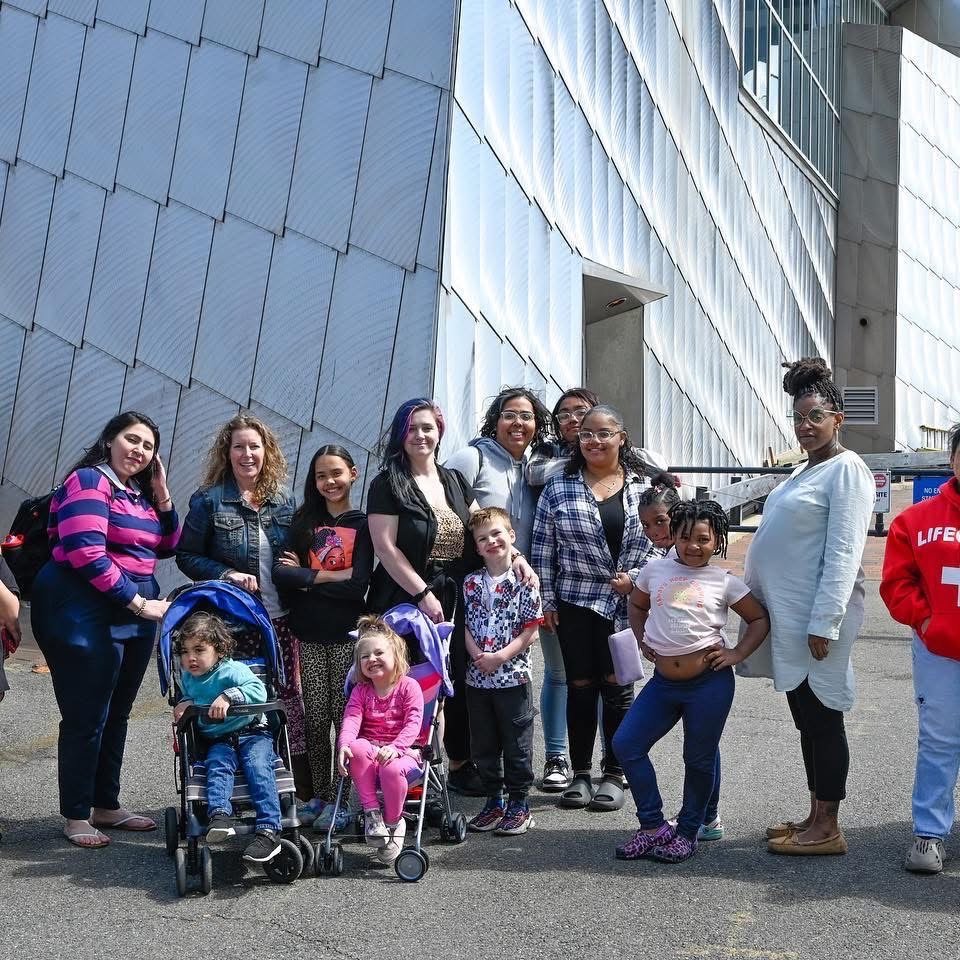
There are easier ways to tell stories about homelessness.
You can begin with a crisis and end with a smiling photograph of someone holding the keys to a new apartment.
You can count how many families were housed, how many classes were completed, or how much money was saved.
Those accomplishments matter.
But they don't fully explain what happened to Carolyn or Tanya.
Carolyn learned that the love she felt for her daughters wasn't always the love they experienced. She learned to express it differently.
Tanya learned that being needed by others didn't require sacrificing her own well-being. She learned that accepting care didn't make her less worthy of respect.
Both women became leaders in the same community that had supported them.
Neither story suggests that hardship disappears once someone finds stable housing.
Carolyn still speaks openly about the challenges of being a single mother.
Tanya was still nervous about leaving the familiar surroundings of Christina's House.
What changed was their ability to face those challenges.
That distinction matters in a city where housing instability remains widespread.
Springfield's 2025 housing needs assessment counted 1,870 people experiencing homelessness on a single night, including 1,487 people in family households.
Christina's House cannot solve that crisis by itself.
But the organization's work offers an answer to a more personal question.
What might change for a family when a mother has the time, safety, resources, and support to rebuild her life?
For Carolyn, it changed the way she parented, managed money, and imagined her future.
For Tanya, it changed the way she understood relationships, boundaries, and belonging.
And for their children, those changes have consequences that extend beyond a single year in a residential program.
A School of Hope
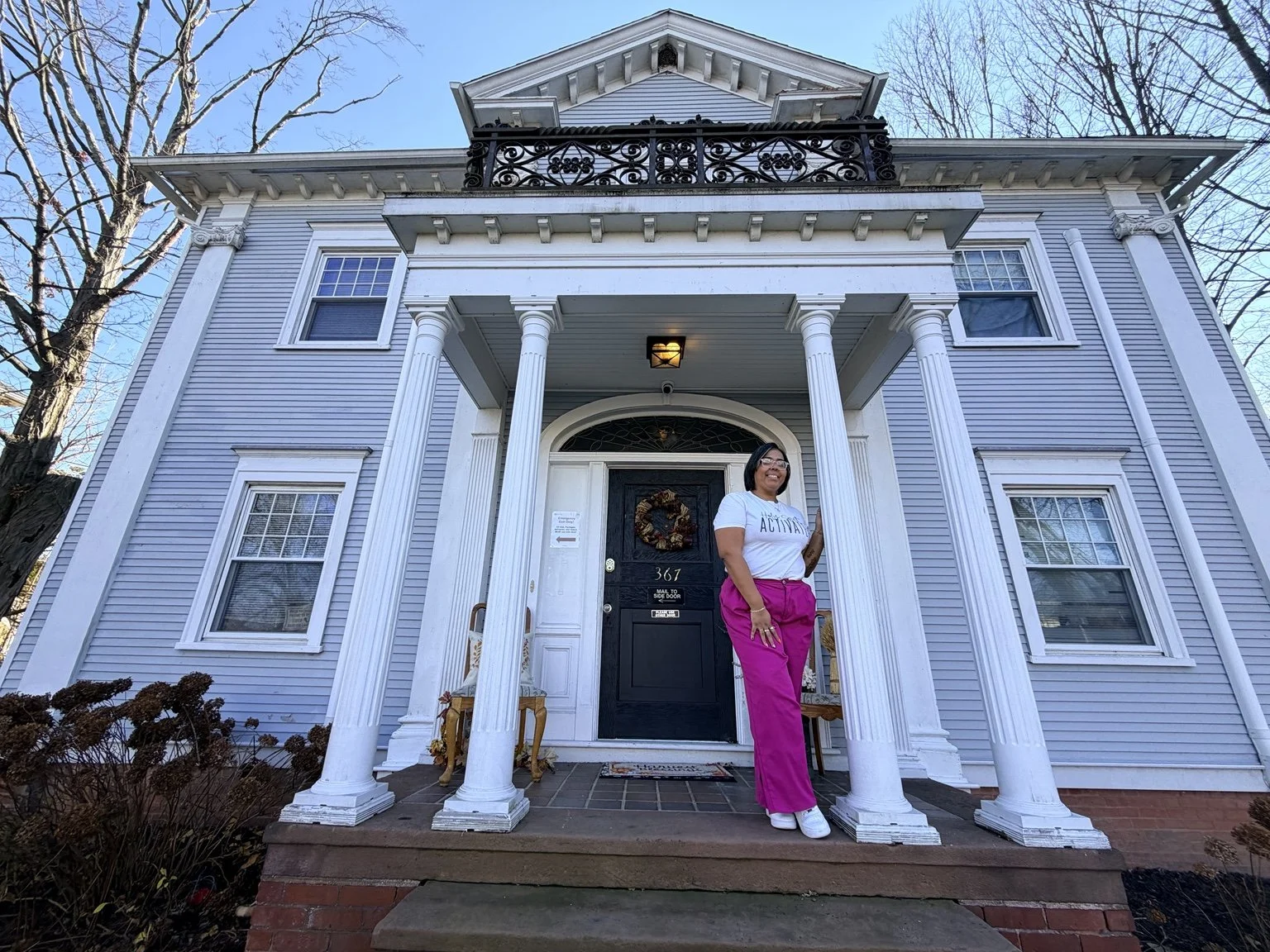
Carolyn is thinking about what Christina's House could become.
During our interview, she described a vision for a future Christina's House School of Hope.
Her idea is to extend the organization's educational and developmental support beyond the women currently living in its residences.
It's an aspiration rather than an announced, fully developed program.
But it reflects something Carolyn has learned from her own experience.
The need for education, encouragement, and community doesn't begin when a woman becomes homeless.
And it doesn't end when she moves into permanent housing.
Carolyn wants Christina's House to reach more people before their circumstances become a crisis.
She also wants the community to understand what the organization already does.
When asked what she hoped people would take away from this story, her first answer wasn't a request for money.
She wanted people to know Christina's House.
She wanted them to understand that it wasn't simply a shelter.
And she wanted them to recognize what becomes possible when a community stands together.
The Door Is Still Open
There is one part of Carolyn's work that she particularly loves.
It happens when young children return to Christina's House.

She described two- and three-year-olds coming through the entrance and running toward her office.
Sometimes her door is closed.
She can hear them approaching before they open it.
For Carolyn, those footsteps are a reminder of why the work matters.
The children aren't thinking about transitional housing, financial literacy, or nonprofit operations.
They are running toward someone they are happy to see.
Carolyn, who once struggled with physical affection, now finds joy in children coming to her for connection.
It's a small detail.
But perhaps it's the one that best captures how far she has come.
In 2017, Carolyn walked through the doors of Christina's House to volunteer.
In 2019, she returned because she needed a home for her family.
Today, she leads the organization, helping other women navigate circumstances she knows firsthand.
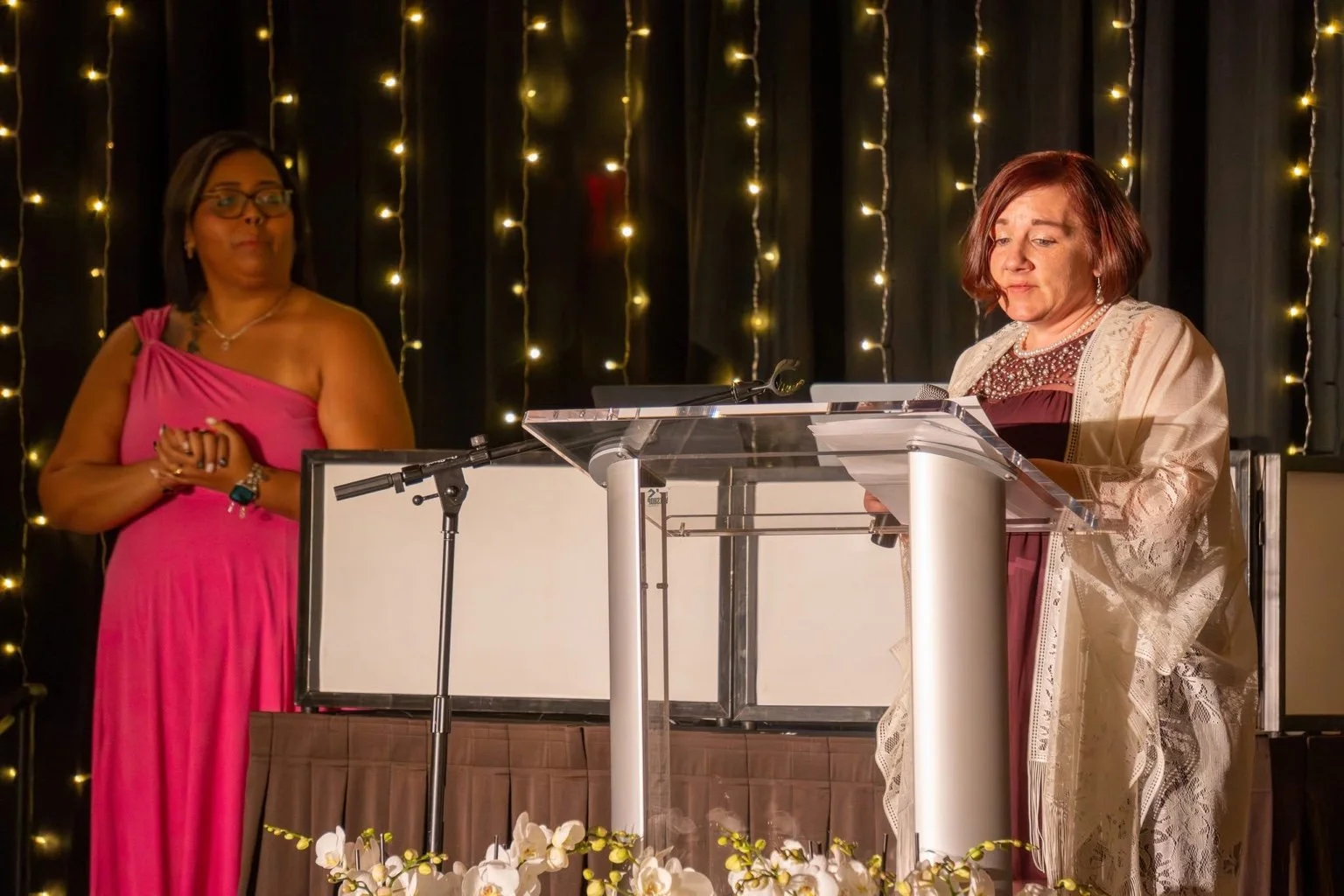
On December 5, Christina's House will gather its supporters for its 14th Annual Impact Gala at the Sheraton in Springfield.
Carolyn sees the evening as both a celebration of what the organization has accomplished and an opportunity to build what comes next.
The funds raised help pay for the ordinary necessities that make extraordinary changes possible: keeping the houses warm, the lights on, and the programs operating.
But the most important work happens long after the evening ends.
It happens when a mother learns to manage her money.
When another discovers that saying no can be an act of self-respect.
When a child has somewhere safe to sleep.
When a woman moves into her own home.
And when someone who once needed help becomes the person another woman can depend on.
Carolyn came to Christina's House believing she was there to help others.
Then she needed someone to help her.
Today, she is the one holding the door open.
And somewhere in Springfield, another mother is hoping someone will open it for her.
Bringing Christina's House Into the Spotlight with Stand Out Truck®
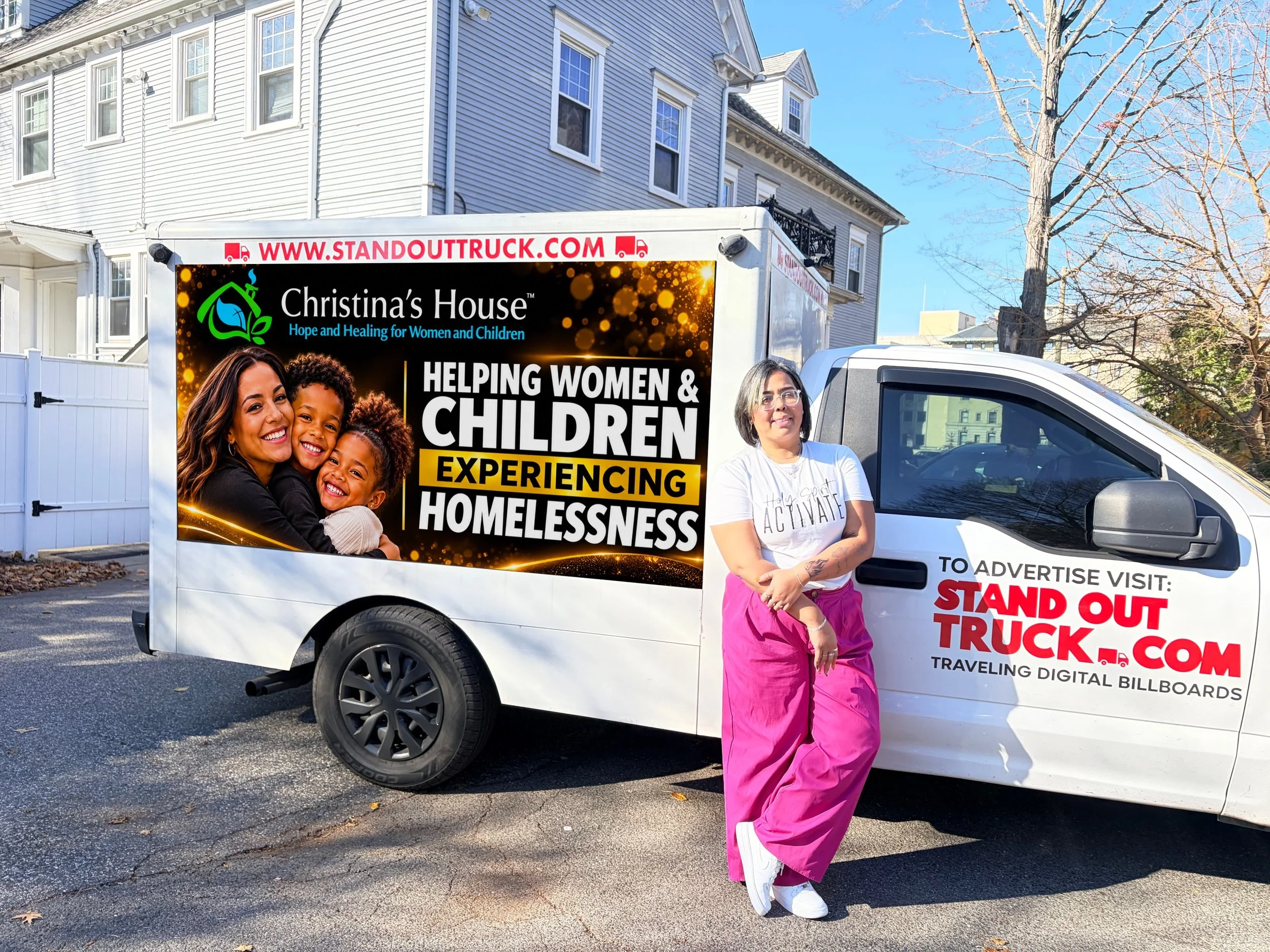
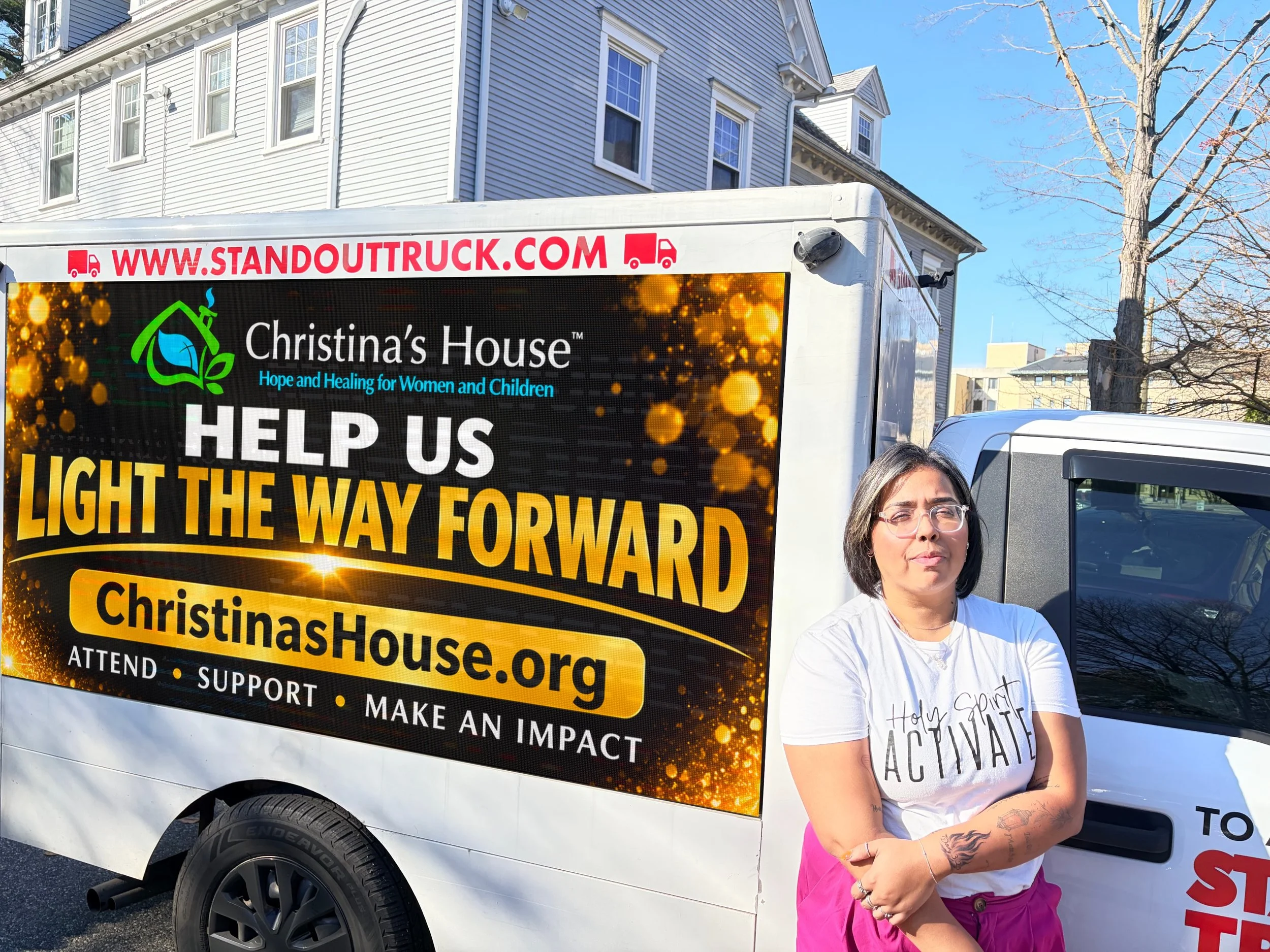

For nearly 14 years, Christina's House has been helping women and children in Springfield rebuild their lives. Yet many people throughout the community still don't know the organization exists or fully understand the impact of its work.
Carolyn Martinez wants to change that.
As Christina's House prepared for its 14th Annual Impact Gala, Carolyn chose Stand Out Truck® to help bring the organization's message to a wider audience.
"We humans are humans of visuals, right?" Carolyn explained during our conversation. "When we see something that stands out, we kind of gravitate to that."
While social media and email had helped generate ticket sales, Carolyn wanted to reach beyond the organization's existing supporters.
"I want everyone to know that this exists and anyone's welcome," she told me.
Through Stand Out Truck®, we've carried Christina's House's message across Springfield, Westfield, Amherst, and communities in between, introducing the organization to people who might otherwise never hear about its work.
But behind the advertising are stories far more powerful than anything that can fit on a digital billboard.
Stories like Carolyn's journey from volunteer to program participant to executive director. And Tanya's journey from homelessness and addiction to helping other mothers find stability.
These are the stories that deserve to be heard.
Behind the advertisements are women like Carolyn and Tanya, whose experiences reveal what can happen when a community invests in more than temporary housing.

That is what Carolyn hopes people will understand when they gather for the 14th Annual Impact Gala on Saturday, December 5, 2026, at the Sheraton Springfield Monarch Place Hotel.
Here's How You Can Help
Christina's House provides women and children facing homelessness with more than a place to stay. It offers stability, education, encouragement, and an opportunity to rebuild their lives.
But keeping those doors open requires the support of the community.

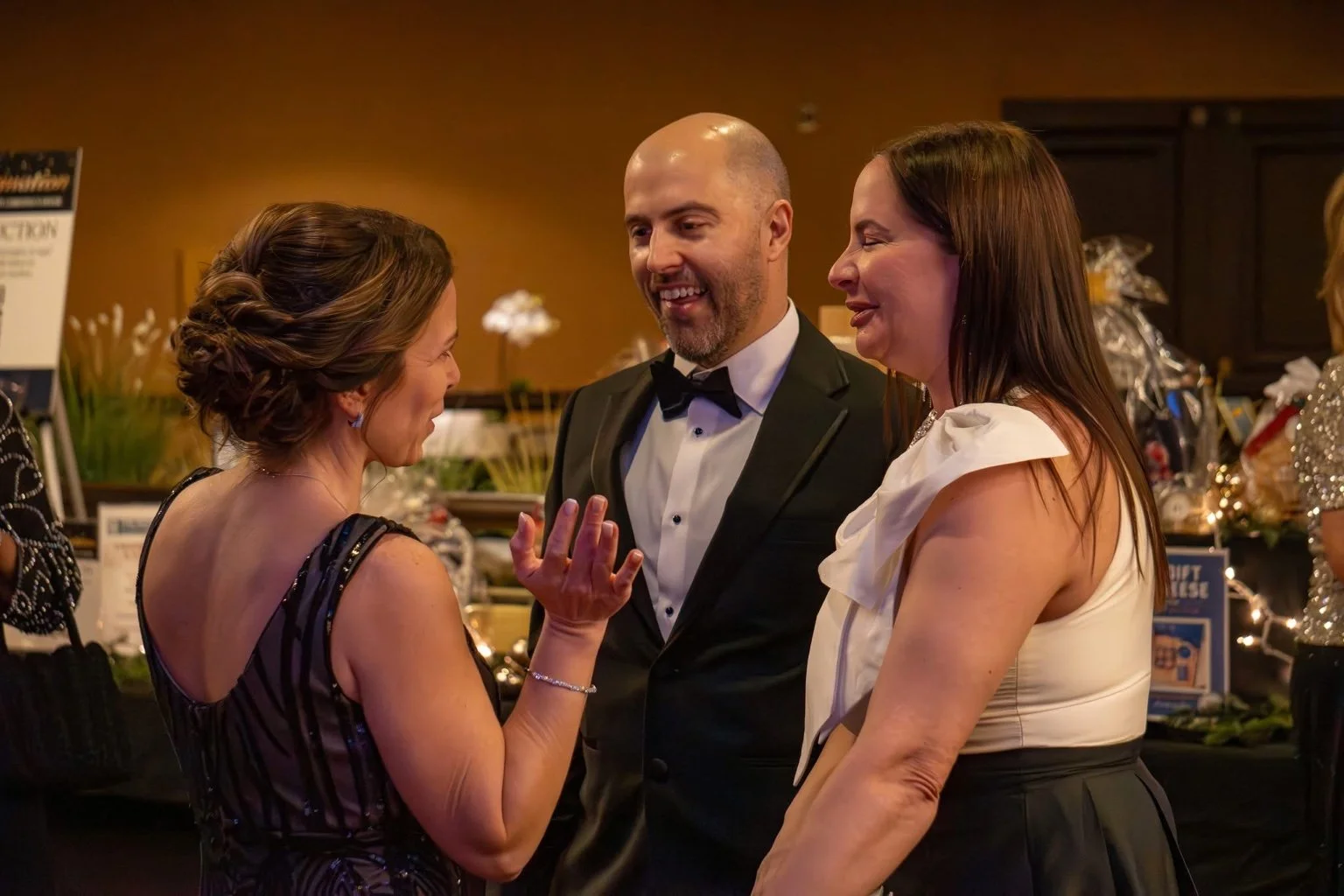
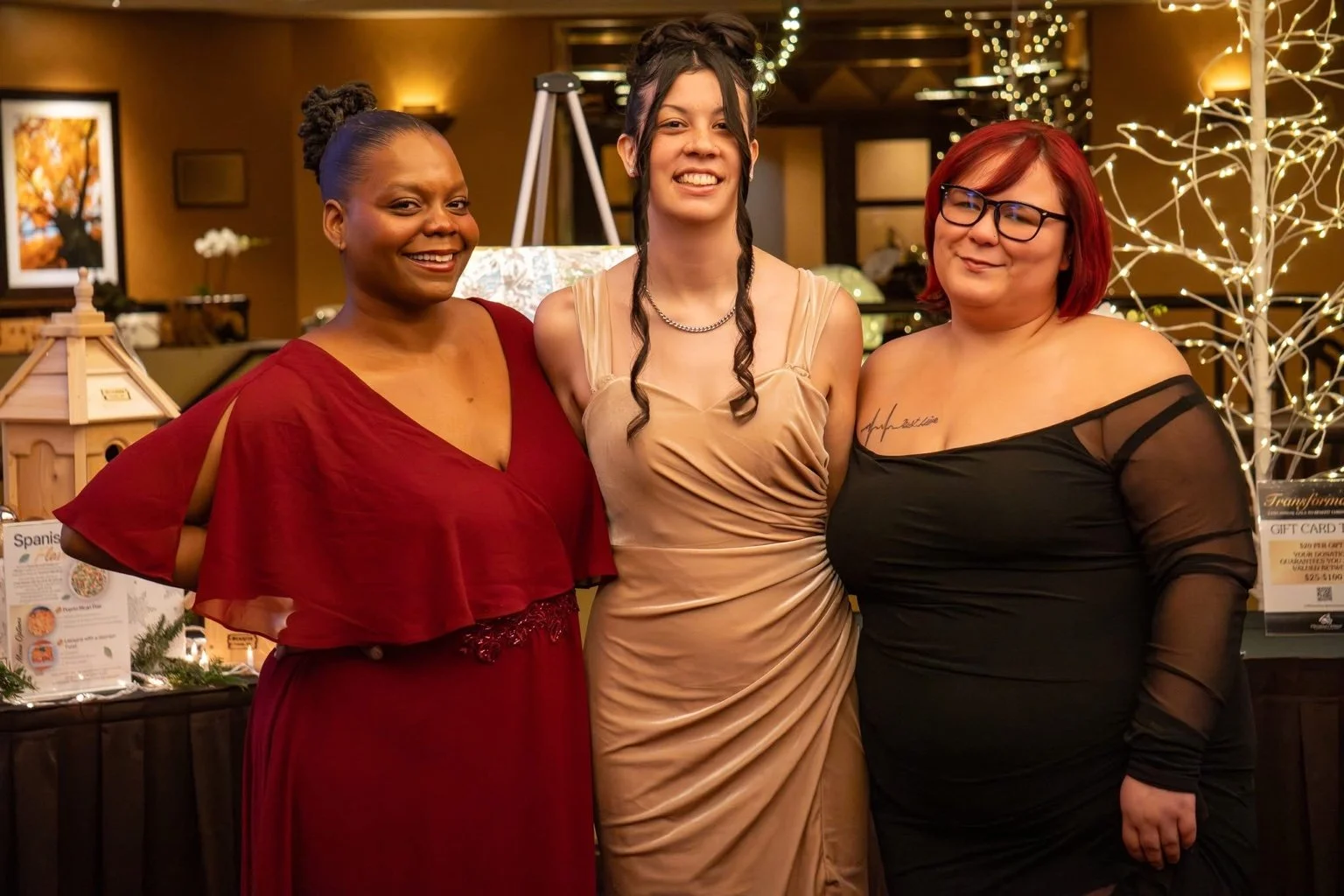
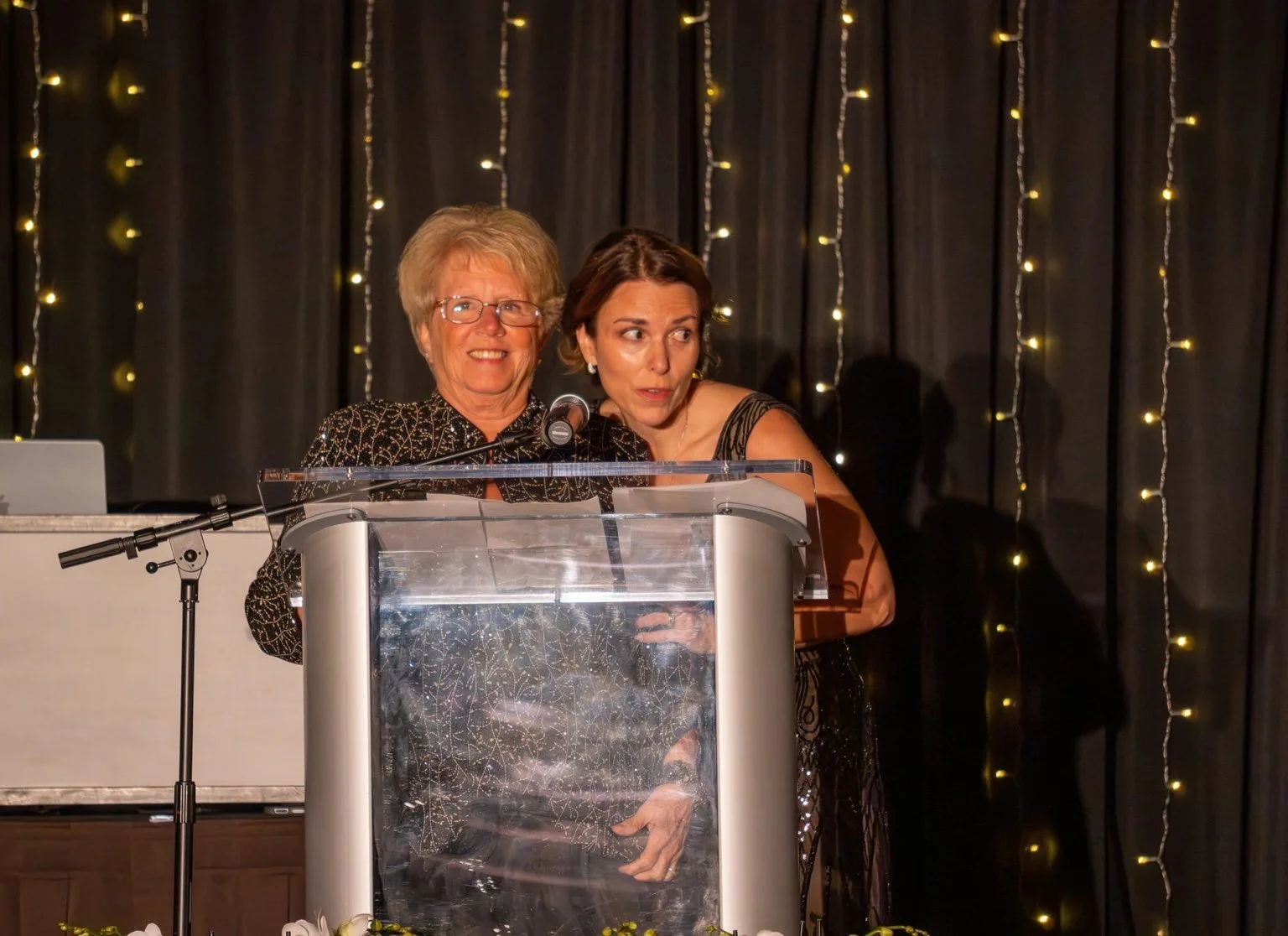


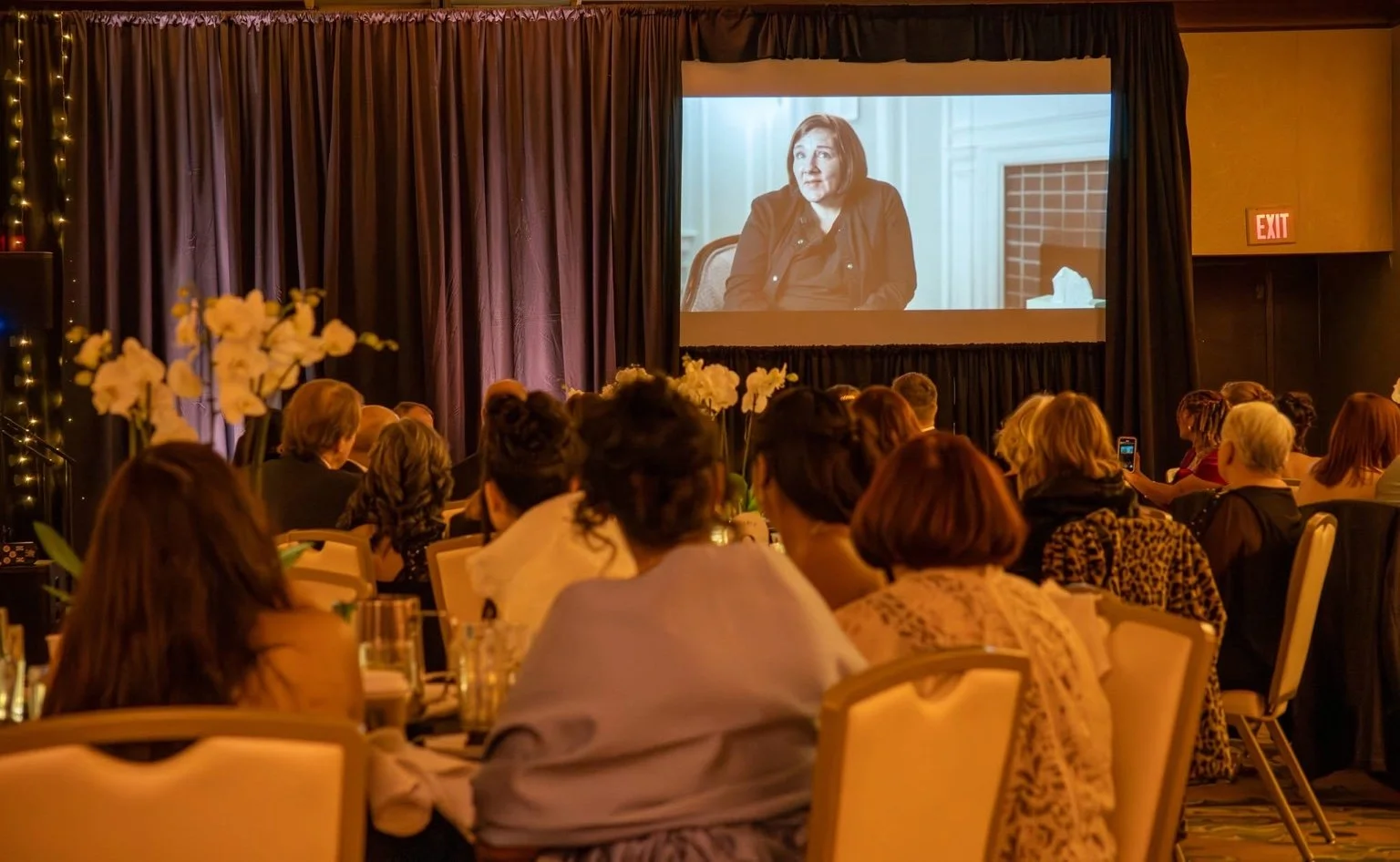

On Saturday, December 5, 2026, Christina's House will host its 14th Annual Impact Gala at the Sheraton Springfield Monarch Place Hotel. The evening will feature dinner, music, dancing, and firsthand stories from families whose lives have been changed by the organization. Among the speakers will be a 13-year-old girl sharing her own experience with Christina's House.
The celebration serves a larger purpose: raising the funds needed to keep the organization's homes operating and its educational and family support programs available in 2027.
"Every dollar matters because it's really going to help us keep these doors open for 2027," Carolyn said.
Tickets are $150 per person, and the deadline to purchase them is Monday, November 23, 2026.
Can't attend? You can still make a difference by making a donation or sharing this story with someone who may want to support the mission.
Visit christinashouse.org to purchase tickets, learn more, or make a contribution.
For Carolyn, the gala is more than a fundraiser. It's an opportunity for the community to discover the work happening inside Christina's House, celebrate the women and children whose lives are being transformed, and help ensure that future families have the same opportunity.
Because keeping these doors open means giving more mothers and children the chance to walk through them.
And sometimes, before you can change someone's life, you have to make sure they know help exists.
Have a story worth sharing or a business ready to grow? Let Stand Out Truck® put your message in motion. Get seen. Get heard. Get chosen.
